
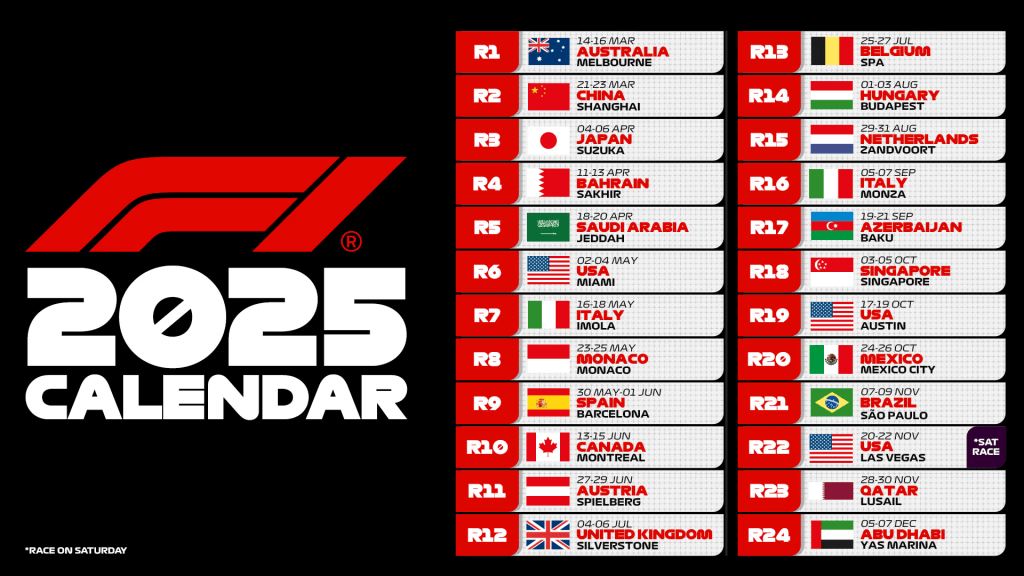
The 2025 FIA Formula One World Championship is set to be the 76th edition of the prestigious Formula One series, recognized globally as the pinnacle of open-wheel motorsport. Scheduled to begin in March and run until December, the season will feature 24 Grands Prix held across various global locations. It promises to be a significant year in the sport, with a number of regulation changes and key milestones.
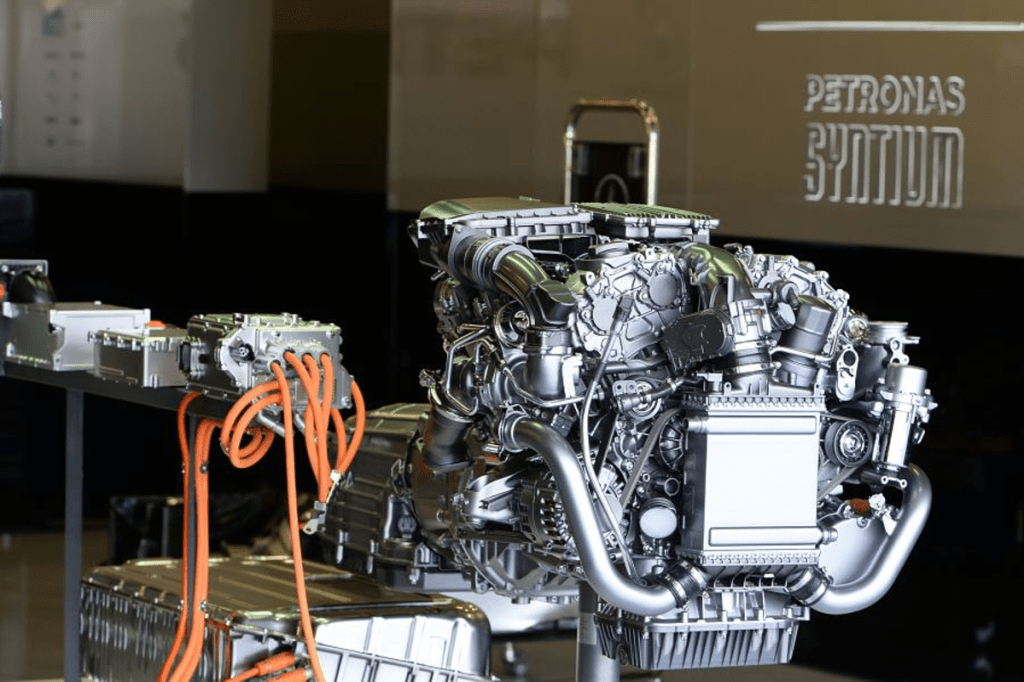
This season will mark the final year for the power unit configuration introduced in 2014, which is expected to undergo a major revamp in 2026, eliminating the MGU-H and introducing a more powerful MGU-K. Additionally, 2025 will see the end of the current generation of ground-effect cars and the drag reduction system (DRS), both of which have been in use since 2022 and 2011, respectively. From 2026 onwards, Formula One will embrace new cars with active aerodynamics and moveable wings, promising a fresh approach to racing.
Another major shift will come from Renault, which plans to cease engine production for its team, Alpine, after the 2025 season, ending its active role as an engine supplier. Teams will continue to compete for the coveted titles of World Drivers’ Champion and World Constructors’ Champion, with reigning champion Max Verstappen and his team, Red Bull Racing, looking to retain their dominance.
Driver and Team Changes
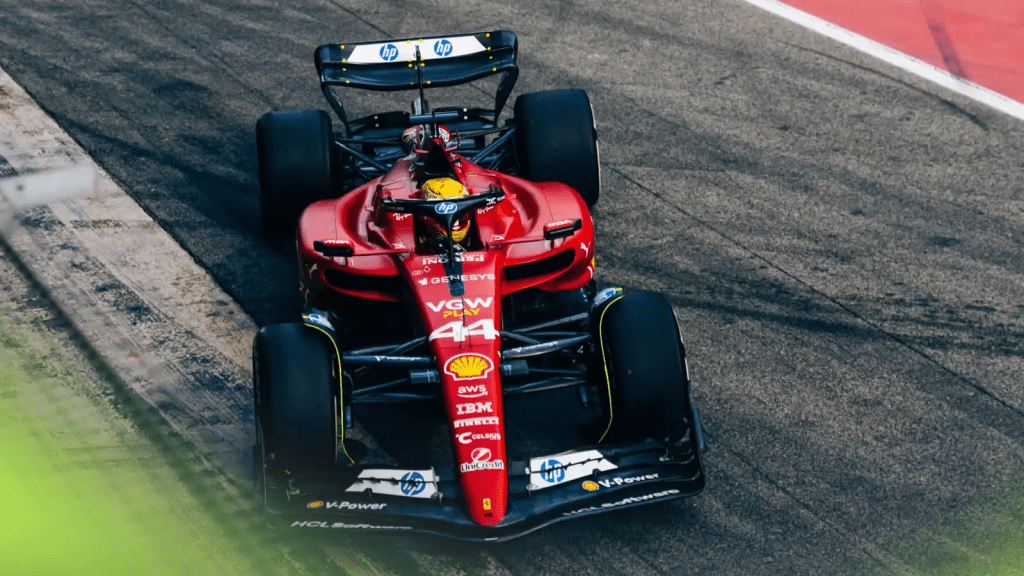
The 2025 season will feature a number of exciting driver changes and team updates. One of the most notable shifts will be Lewis Hamilton’s departure from Mercedes after 12 seasons. Hamilton, who has enjoyed a record-breaking career with the team, will replace Carlos Sainz Jr. at Ferrari. Sainz, in turn, will leave Ferrari to join Williams on a multi-year deal, a move that follows a mid-2024 reshuffle when Logan Sargeant was replaced by Franco Colapinto. This shake-up is part of broader changes at Mercedes, where rising star Andrea Kimi Antonelli will replace Hamilton.
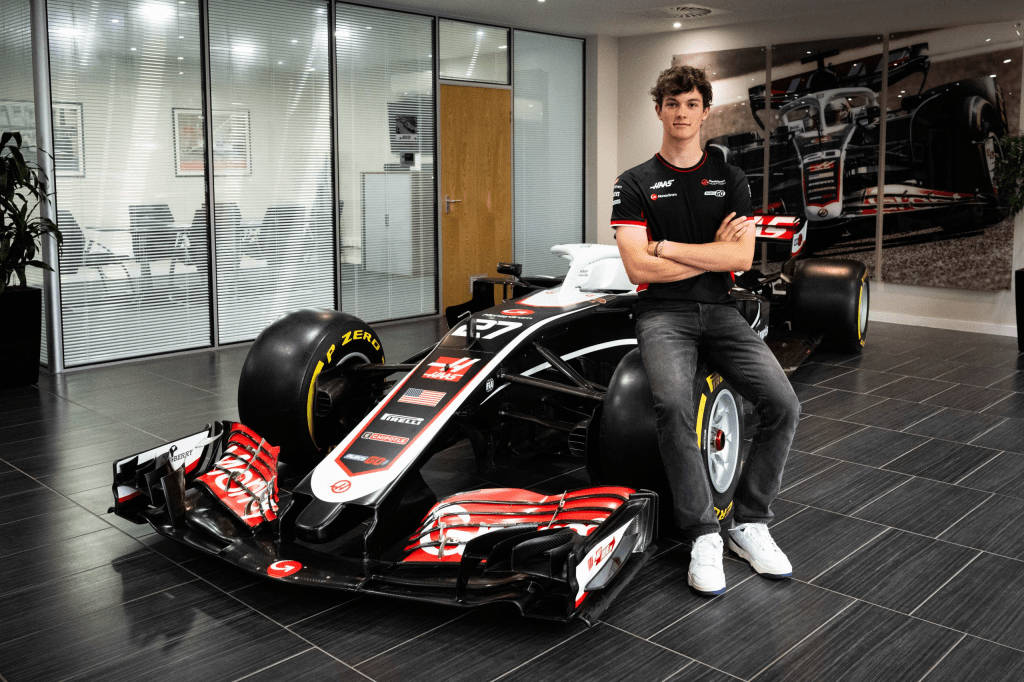
Haas F1 Team is also undergoing a full driver lineup overhaul. After Nico Hülkenberg and Kevin Magnussen left the team, they were replaced by Oliver Bearman and Esteban Ocon, both making moves from other teams. Ocon will join after five years with Alpine, while Bearman, who has previously raced in Formula 2, will make his full-time debut in Formula One.
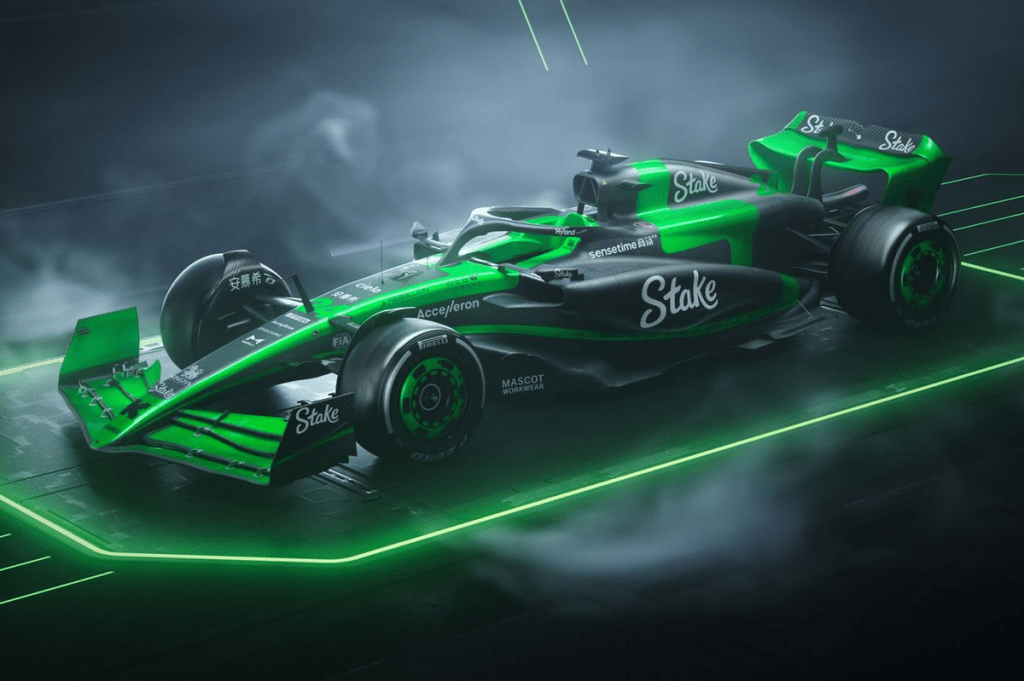
The Sauber team also sees a significant reshuffle with Gabriel Bortoleto, the reigning Formula 2 champion, stepping in to fill the seat previously held by Valtteri Bottas. Bottas and teammate Zhou Guanyu left the team after three years, with Bottas rejoining Mercedes as a reserve driver and Zhou joining Ferrari.
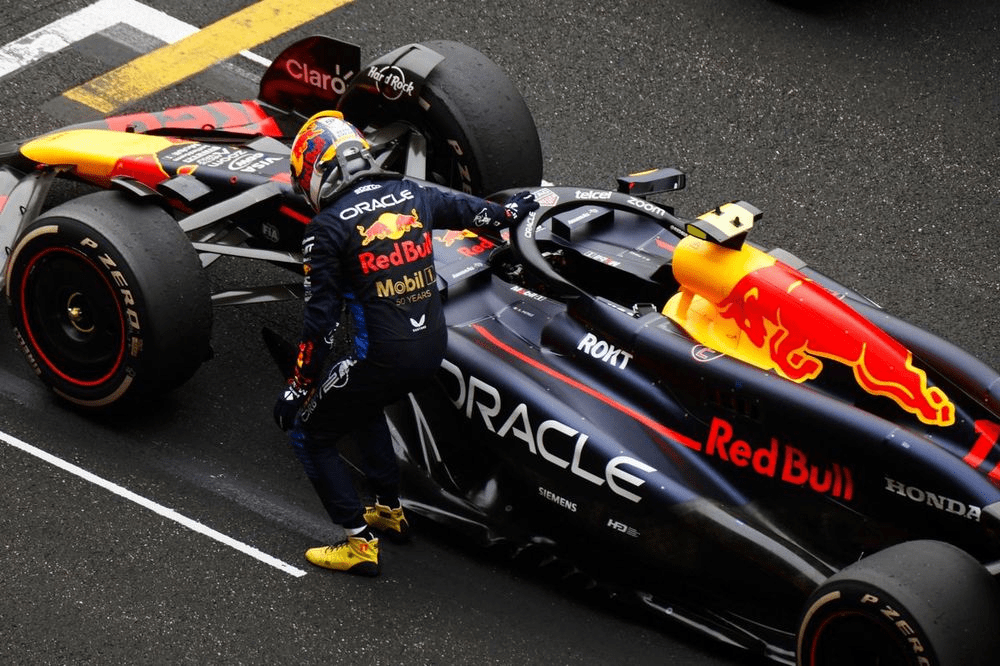
In the Red Bull Racing camp, Sergio Pérez’s exit after the 2024 season will see Liam Lawson promoted from Racing Bulls, and Isack Hadjar stepping into Lawson’s former seat at Racing Bulls. This will bring fresh talent to the team, as Lawson and Hadjar aim to impress alongside the reigning champion, Max Verstappen.
Regulation and Calendar Changes
The 2025 Formula One calendar is set to mirror the previous year’s with 24 races scheduled across the globe, from the Australian Grand Prix at the start of the season in March to the Abu Dhabi Grand Prix in December. The calendar has seen several shifts, with the Australian Grand Prix returning to its place as the season opener for the first time since 2019, and several races, including the Chinese, Belgian, and United States Grand Prix, adopting a sprint format.
One of the most notable regulatory changes in 2025 will be a slight increase in the minimum weight requirement for both drivers and cars. The minimum weight for drivers has increased from 80 to 82 kilograms, with the overall car weight now set at 800 kilograms without fuel. This change aims to better accommodate drivers of varying physiques. Additionally, the introduction of a driver cooling kit will be mandated under extreme heat conditions to prevent driver overheating, as seen in the 2023 Qatar Grand Prix.
The DRS regulations will also undergo a revision, with adjustments to the slot gap between the two DRS modes to make overtaking more challenging yet precise. Moreover, a significant regulatory update will impact driver conduct. Following incidents involving inappropriate language in interviews, the FIA has introduced a more stringent framework for regulating driver comments, with escalating fines and penalties for those who violate these rules.
Season Launch and Testing
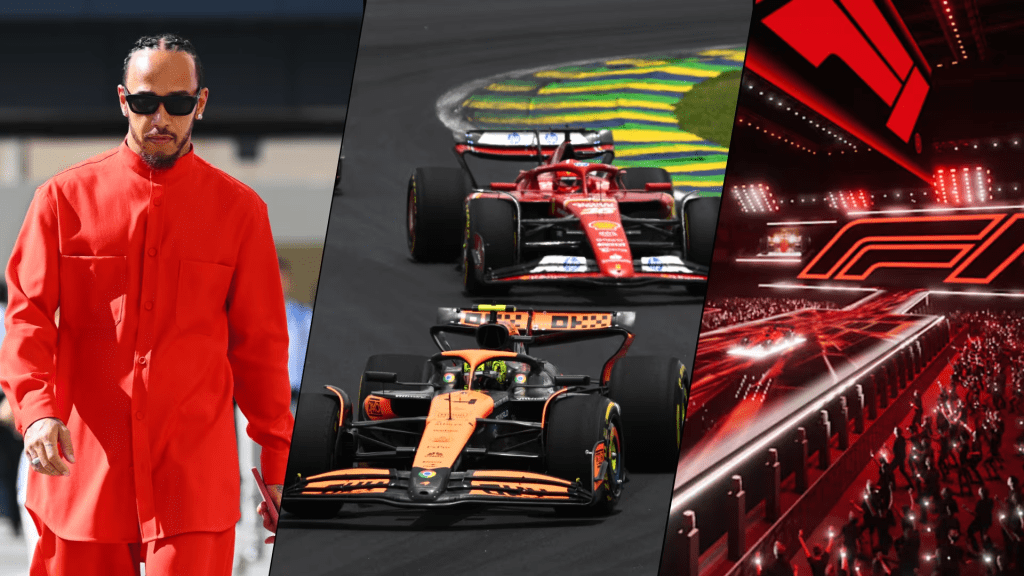
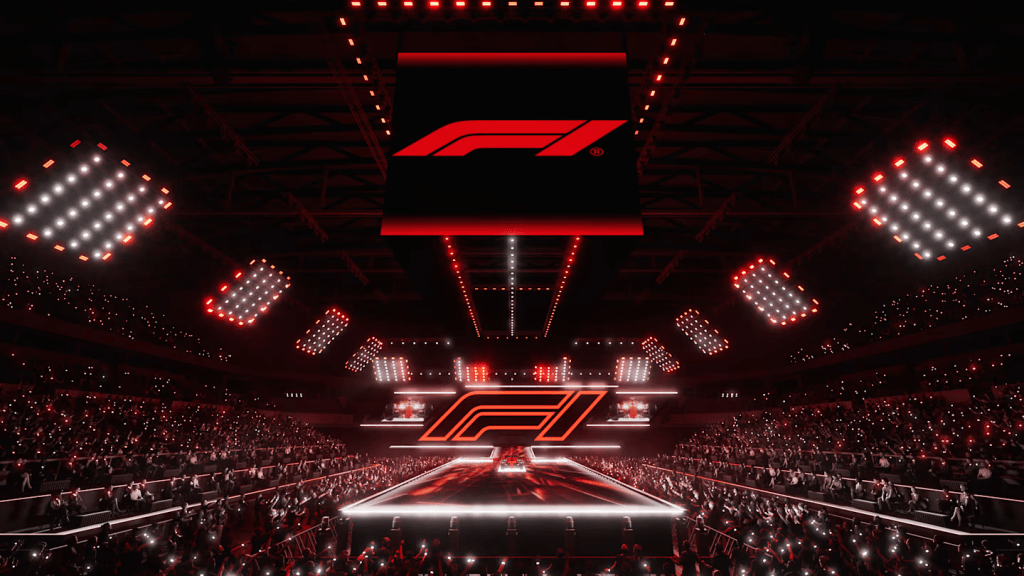
For the first time in Formula One history, the 2025 season will kick off with a collective season launch event at The O2 Arena in London on 18 February, where teams will unveil their liveries for the upcoming season. A pre-season test will then take place at the Bahrain International Circuit in Sakhir from 26–28 February, giving teams and drivers an opportunity to fine-tune their cars ahead of the season opener.
Conclusion
The 2025 Formula One World Championship is set to be a landmark season, with key regulatory changes, fresh driver lineups, and the end of an era in terms of car design and power units. As teams and drivers battle for supremacy, the sport will look towards a new era starting in 2026, signaling significant technological advancements and a new generation of racing talent. Fans can expect fierce competition, dramatic storylines, and an exciting lead-up to the 2026 changes.
 WE SPOT